
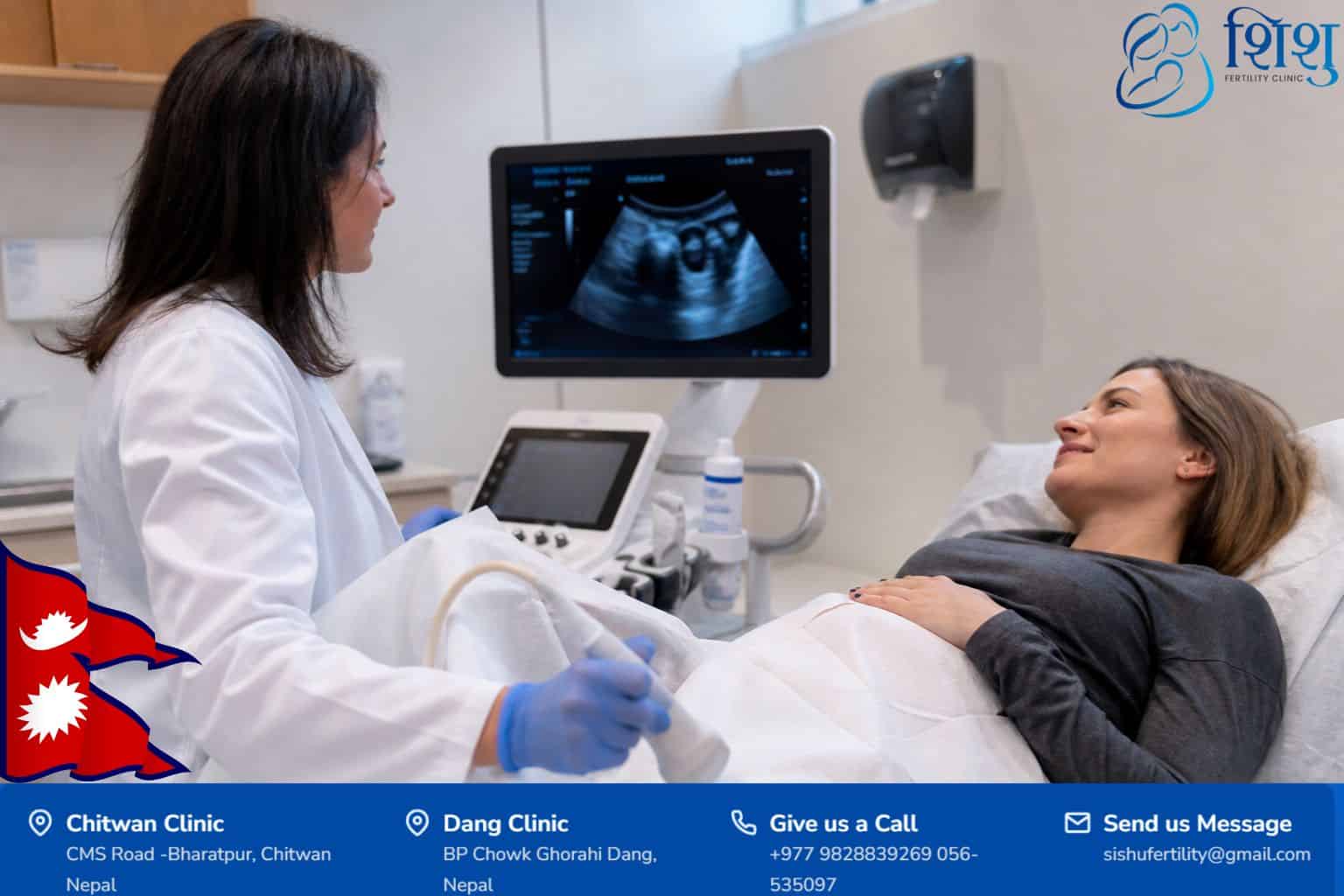
A transvaginal ultrasound (TVS scan) is not painful for most women. The most common experience is mild pressure during probe insertion, similar to a pelvic examination or inserting a tampon, and it passes within seconds. Most women find the procedure more uncomfortable in anticipation than in practice. That said, some women do experience more discomfort than others, and the reasons for that are specific and worth understanding before your scan.
This article explains honestly what a transvaginal ultrasound feels like, why some women feel more than others, what conditions make discomfort more likely, and what you can do to make the experience easier.
What Does a Transvaginal Ultrasound Actually Feel Like?
The probe used in a transvaginal ultrasound is a smooth, wand-shaped instrument, narrower than a speculum and roughly the width of two fingers at its tip. It is covered with a sterile sheath and coated with lubricating gel before insertion. The probe is inserted approximately two to three inches into the vaginal canal, which is much shallower than most women expect.
According to Cleveland Clinic, the probe tip is less than 1.5 inches in diameter, and the procedure is described as relatively quick and painless, similar to the pressure felt during a Pap smear when a speculum is inserted. MedlinePlus describes it as “mildly uncomfortable but will not hurt.”
Once the probe is inside, the sonographer gently angles and rotates it to bring different structures into view. You may feel mild pressure as this happens, particularly when the probe is directed toward the ovaries which sit on either side and slightly behind the uterus. This pressure is brief and the movement is slow and controlled.
The scan itself takes 15 to 30 minutes from start to finish, though the actual imaging portion is often shorter. Afterward, you dress immediately and can resume normal activities with no recovery period needed.
The Honest Answer: Discomfort Yes, Pain No – For Most Women
For the majority of women, a transvaginal ultrasound causes mild, short-lived discomfort rather than pain. The discomfort, when it occurs, is mostly felt at two points: when the probe is first inserted into the vaginal canal, and when the sonographer moves it toward the ovaries where pressure against deeper tissue is briefly felt.
A published comparison study on pain during common gynaecological procedures found that transvaginal ultrasound was the best-accepted procedure among those studied, with significantly lower pain scores than saline sonohysterography, diagnostic hysteroscopy, or endometrial sampling. When compared to other pelvic investigations that doctors routinely request, TVS consistently registers as the gentlest.
What does vary significantly is individual experience. Research and clinical practice consistently show that some women find the procedure more difficult than others, and this is not random. There are specific factors that predict a harder experience.
Why Some Women Feel More Acutely Than Others

Here are some reasons that make women feel more acutely than others:
Pelvic Conditions That Increase Sensitivity
If you have endometriosis, ovarian cysts, pelvic inflammatory disease, fibroids, or other conditions causing existing inflammation or tender tissue, the probe pressure may be felt more acutely. The sonographer is pressing sound waves against tissues that are already sensitized. This is not a sign that anything is going wrong during the scan. It is a reflection of what the underlying condition is doing to your tissue sensitivity.
Women with endometriosis in particular often report that their TVS scans are more uncomfortable than average, especially during sonopalpation, which is when the sonographer deliberately applies gentle pressure to specific areas to identify tenderness as a diagnostic tool. This technique is used in detailed endometriosis assessments and is intentionally eliciting a pain response to help map where disease is present. If you are having this type of scan, you can expect it to feel different from a standard monitoring scan.
Vaginismus and Pelvic Floor Tension
Vaginismus is a condition involving involuntary contraction of the pelvic floor muscles with any attempt at vaginal penetration. This affects an estimated 1 to 7% of women and makes insertion of any device, including a tampon, speculum, or ultrasound probe, uncomfortable or impossible without specific support. If you experience pain or difficulty with penetration in other contexts, tell your doctor or sonographer before the scan. A specialist clinic can use a smaller probe, go more slowly, allow you more time, and if needed refer you to a pelvic floor physiotherapist before the appointment.
Anxiety and Anticipation
Fear amplifies the physical experience of a procedure. When your pelvic floor muscles tighten in response to anxiety, probe insertion becomes more difficult and the resulting sensation more uncomfortable. Many women who describe their TVS as painful on reflection describe the anticipation as worse than the procedure itself. Knowing what to expect, taking slow deep breaths, and consciously relaxing the pelvic floor muscles before and during insertion makes a measurable difference.
You also have the option at most clinics to insert the probe yourself if you prefer. Many women find this gives them a greater sense of control and makes the experience more comfortable.
Postmenopausal Vaginal Atrophy
After menopause, declining estrogen levels cause the vaginal tissues to thin and become less elastic. This can make insertion of the probe more noticeable. Local lubricant is always used, but if vaginal dryness or atrophy is significant, let your clinic know in advance. Some clinics use additional gel, offer smaller probe sizes, or can advise on short-term estrogen treatment to improve tissue comfort before a planned scan.
Being on Your Period
Having your period does not prevent a TVS scan and does not need to change your plans. The scan can be done at any point in the cycle. However, the cervix can be slightly more sensitive during menstruation, and some women notice this during the procedure. The sonographer is not concerned about bleeding and you should not be either.
What Exactly Happens During a Transvaginal Ultrasound
Understanding each moment of the procedure removes the fear that comes from not knowing what is coming.
You will be asked to remove your lower clothing and cover yourself with a sheet or gown. You lie on your back on the examination table with your knees bent and feet resting flat or in stirrups. The sonographer covers the transvaginal probe with a sterile sheath and applies lubricating gel.
The probe is then inserted slowly into the vaginal canal. You will likely feel some pressure at the entrance and then a feeling of fullness as it moves into place. The sonographer will tilt and rotate the probe gently to bring the uterus, endometrium, and each ovary into view. You may feel mild pressure toward one side as the probe angles toward each ovary. The imaging takes only a few minutes once the probe is positioned.
If you feel anything more than mild pressure at any point, say so. A good sonographer will adjust immediately. You can ask them to slow down, pause, or stop entirely. You are in control of the procedure at all times.
Is a Transvaginal Ultrasound Painful During Fertility Treatment?
If you are undergoing IVF or another fertility treatment, you will likely have multiple TVS scans across a single cycle, sometimes every two to three days during the stimulation phase.
During ovarian stimulation, the ovaries become enlarged as follicles grow. The probe pressure against enlarged ovaries can feel more noticeable than a baseline scan when the ovaries are their normal resting size. Most women adjust to this quickly and find the monitoring scans manageable. The scans are brief and the information they provide, about follicle size, number, and endometrial thickness, is essential to timing treatment correctly.
For more details on how TVS scans are used throughout an IVF cycle, visit our IVF Treatment page.
After a Transvaginal Ultrasound: What Is Normal
Once the probe is removed, any sensation of pressure or fullness disappears immediately. There is no recovery period. You can dress, leave, and return to your normal day.
Some women notice a small amount of lubricant gel on their underwear afterward. This clears within hours and is not a cause for concern.
Light spotting, a small amount of pink or brownish discharge, occasionally occurs after a TVS scan, particularly in early pregnancy when the cervix has an increased blood supply. This is normal, brief, and unrelated to the scan causing any harm.
Contact your clinic if you experience:
Heavy bleeding that is more than light spotting, severe pelvic pain that does not improve within a few hours, fever above 38 degrees Celsius, or persistent pain over more than a day. These are uncommon after a simple TVS scan and would warrant a conversation with your doctor.
Is a Transvaginal Ultrasound Safe?
Yes, fully. A transvaginal ultrasound uses high-frequency sound waves, not radiation. There is no ionizing radiation involved, unlike X-rays or CT scans. It has no known harmful effects on any tissue, including the uterus, ovaries, or an early pregnancy. It can be performed as many times as clinically needed without any cumulative risk, which is why it is used repeatedly across IVF monitoring cycles.
The probe is covered with a fresh sterile sheath for each patient. If you have a known latex allergy, inform your clinic so they can use a latex-free alternative.
Practical Tips to Make Your Transvaginal Ultrasound More Comfortable

Empty your bladder beforehand. A full bladder increases pelvic pressure and can make the scan more uncomfortable. An empty bladder also allows better probe positioning and clearer images.
Wear comfortable, easy-to-remove clothing. You will only need to remove clothing from the waist down.
Breathe slowly and deliberately during insertion. Exhaling as the probe is inserted and focusing on relaxing the pelvic floor muscles specifically helps. Tightening up in anticipation is the most common cause of unnecessary discomfort.
Tell the sonographer if you have any pelvic conditions or previous difficult experiences. Information that might seem embarrassing to mention, including vaginismus, sexual trauma, or previous painful pelvic exams, is exactly what allows the sonographer to adjust their approach and make the procedure easier for you.
Ask to insert the probe yourself. This is an option at most clinics and many women find it significantly reduces their anxiety and discomfort.
Take ibuprofen 400 mg an hour before if you are prone to cramping. Always check with your doctor first, particularly if you are pregnant or have any contraindication to anti-inflammatory medications.
Transvaginal Ultrasound at Sishu Fertility Clinic
At Sishu Fertility Clinic in Chitwan (CMS Road, Bharatpur) and Dang (BP Chowk, Ghorahi), transvaginal ultrasound is part of every initial fertility assessment and is used throughout IVF monitoring cycles.
Our clinical team performs transvaginal scans daily and understands that comfort and dignity matter as much as the clinical information the scan provides. If you have any anxiety about the procedure, tell us before we begin. We take the time to explain what we are doing at each step, allow you to guide the pace of probe insertion if you prefer, and ensure you understand what we are seeing on screen.
If you have concerns about a planned transvaginal scan or want to know more about what your TVS results mean for your fertility assessment, book a consultation at our Chitwan or Dang location.
FAQs About Transvaginal Ultrasound Pain
Is a transvaginal ultrasound painful?
For most women, no. The typical experience is mild pressure during probe insertion and brief pressure when the probe is angled toward the ovaries. This resolves within seconds. A minority of women feel more discomfort, usually because of an existing pelvic condition such as endometriosis, ovarian cysts, or pelvic floor tension.
What does a TVS scan feel like?
Most women describe it as similar to a Pap smear or inserting a larger-than-usual tampon. There is pressure at the entrance of the vagina when the probe goes in, and brief pressure internally as the probe is angled toward different organs. It does not feel sharp or burning. It should not be intensely painful.
Can I have a TVS scan during my period?
Yes. Menstruation does not prevent a TVS scan and does not affect the quality of the images. You will be asked to remove any tampon before the procedure. The sonographer is not concerned about bleeding and you should not feel embarrassed.
Do I need to shave or prepare in any special way?
No. Your normal grooming is completely fine. No shaving, waxing, or any other preparation of that kind is needed or expected.
What if it hurts during the scan?
Tell the sonographer immediately. They can reduce probe pressure, change the angle, go more slowly, or pause entirely. You are always in control. Do not continue through significant pain without saying anything. Adjustments are easy to make when the operator knows what you are feeling.
How long does a TVS scan take?
The full appointment, including preparation, the scan itself, and dressing afterward, typically takes 15 to 30 minutes. The actual imaging portion is often shorter.
Is a TVS scan safe in early pregnancy?
Yes. Transvaginal ultrasound uses sound waves, not radiation, and is completely safe for the mother and embryo at any stage of pregnancy. It is actually the preferred method in early pregnancy because it gives clearer images of a small gestational sac than an abdominal scan can.
How many TVS scans will I have during IVF?
During the ovarian stimulation phase of IVF, most patients have two to five monitoring scans, typically every two to three days. Additional scans are done at baseline and may be done after embryo transfer. The number depends on how your body responds to stimulation.