Nobody starting IVF wants to leave anything to chance. You are following your medication schedule, attending every scan, and doing everything your doctor asks. The question about diet comes up naturally, and it deserves a direct answer.
Can what you eat actually affect your IVF outcome?
Yes, but not in the way most articles suggest. There is no single food that guarantees a positive pregnancy test. There is no supplement that overrides egg quality or embryo genetics. What the research shows, with increasing consistency, is that your overall pattern of eating genuinely influences IVF outcomes. The Mediterranean dietary pattern, in particular, has been studied in women undergoing IVF across multiple countries, and the findings are meaningful enough to act on.
This guide explains what the evidence actually says, which foods to prioritize and which to avoid, which supplements have genuine support, and how to translate all of this into the foods available in Nepali kitchens and markets.
What the Research Actually Shows
Your body takes roughly 90 to 100 days to grow and mature an egg follicle from its early development through to retrieval. Sperm maturation follows a similar timeline. What you eat in the three months before your IVF cycle begins is directly feeding the environment in which your eggs and sperm are developing. This is why nutrition in the preconception period matters as much as during the cycle itself.
The most rigorous evidence comes from a 2024 narrative review published in the journal Nutrients by researchers at the National and Kapodistrian University of Athens, which analyzed seven observational studies covering 2,321 women undergoing assisted reproduction. Three of the seven studies found that higher adherence to the Mediterranean diet was associated with improved clinical pregnancy rates or live birth rates, with one study reporting a live birth rate relative risk of 2.64 (95% CI 1.37 to 5.07) in favor of higher adherence. Two studies also found positive effects on embryo yield and ovarian response. However, the review is honest: two studies reported no significant associations with pregnancy outcomes, and four found no effects on egg number or embryo quality. The authors describe the evidence as “limited but promising,” and recommend the Mediterranean diet while calling for more rigorous randomized controlled trials.
The most frequently cited individual study on this topic is a prospective cohort published in Human Reproduction by Karayiannis et al. (2018), which followed 244 non-obese women through their first IVF cycle at a fertility unit in Athens. Women with the lowest Mediterranean diet scores had a clinical pregnancy rate of 29.1%, compared to 50.0% in those with the highest scores. Live birth rates were 26.6% versus 48.8%, respectively (P = 0.01 for both). These associations were significant for women under 35, but not for women aged 35 and above. A separate prospective cohort from China involving 590 women found that higher Mediterranean diet adherence was associated with significantly more embryos available for transfer (8.40 vs 7.40, P = 0.028), though clinical pregnancy rates were similar between groups.
A 2023 systematic review by Professor Roger Hart, published in Reproductive BioMedicine Online, analyzed evidence for nine commonly used IVF supplements and concluded that the single most straightforward nutritional approach supported by existing evidence is the adoption of a Mediterranean diet. Individual supplements were found to have inconsistent and often low-quality evidence.
These results do not prove that diet alone determines IVF success, and no individual meal or food causes or prevents a failed cycle. But consistent dietary habits over the months before and during treatment can support hormone production, reduce oxidative stress on eggs and sperm, improve insulin sensitivity, and build a better uterine environment. That is worth taking seriously.
The Core Dietary Principle for IVF
The Mediterranean dietary pattern centers on plant foods, healthy fats, fish, legumes, and whole grains, with limited red meat, processed foods, and refined sugars. You do not need to import expensive ingredients or abandon Nepali cooking traditions to follow it. The structure translates naturally into local food.
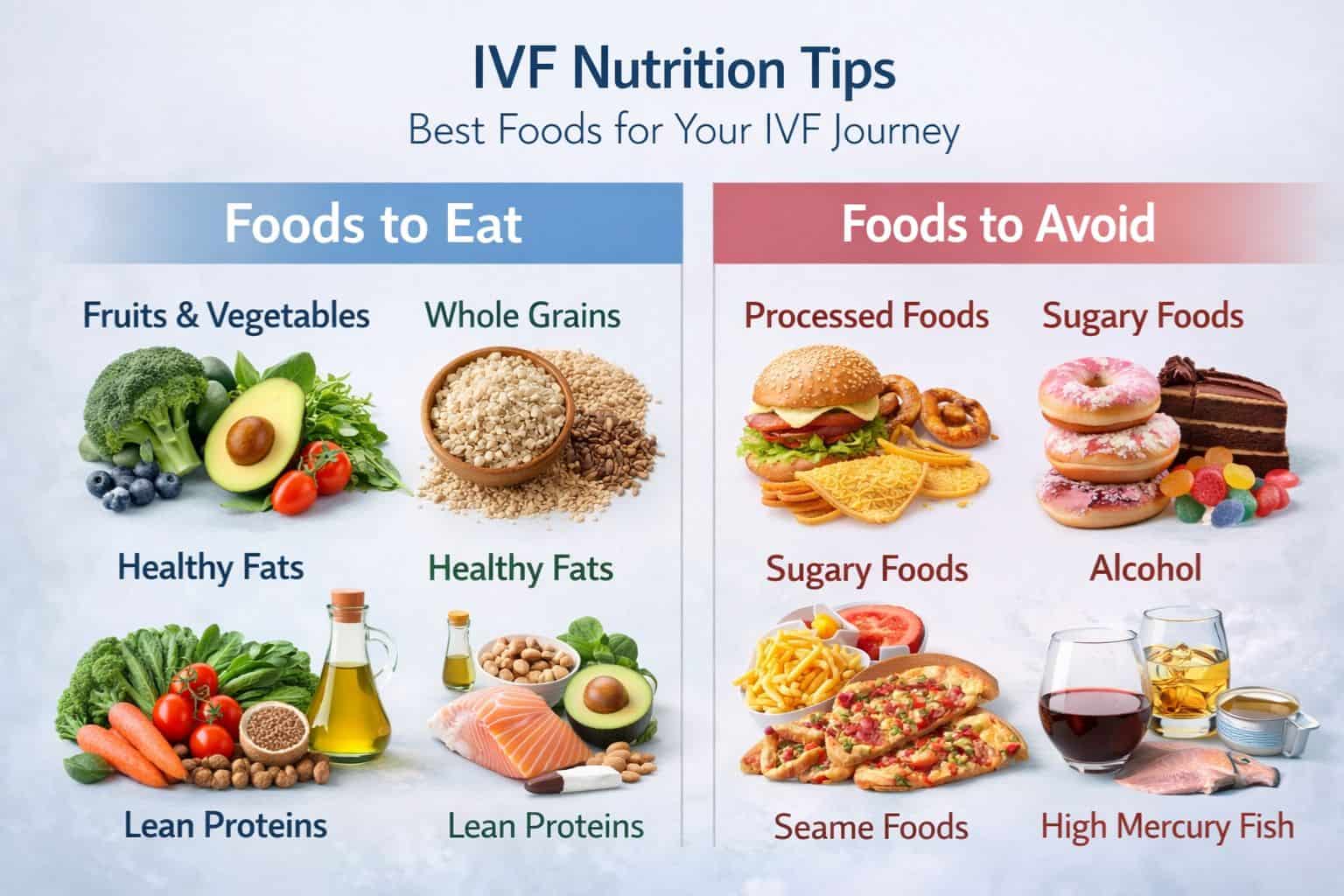
The foundation looks like this: the majority of your plate at each meal should be vegetables and legumes, with a source of lean protein from fish, eggs, chicken, or dal, healthy fat from mustard oil, ghee in moderation, nuts, or seeds, and a whole grain like brown rice or whole wheat roti. Dairy in moderate quantities, fresh seasonal fruit as snacks, and water as the primary drink round out the pattern.
What you are replacing is not your culinary identity. It is the frequency of fried street food, packaged snacks, refined flour products, sugary drinks, and large portions of white rice eaten without adequate protein or vegetables alongside them.
Best Foods to Eat Before and During Your IVF Cycle
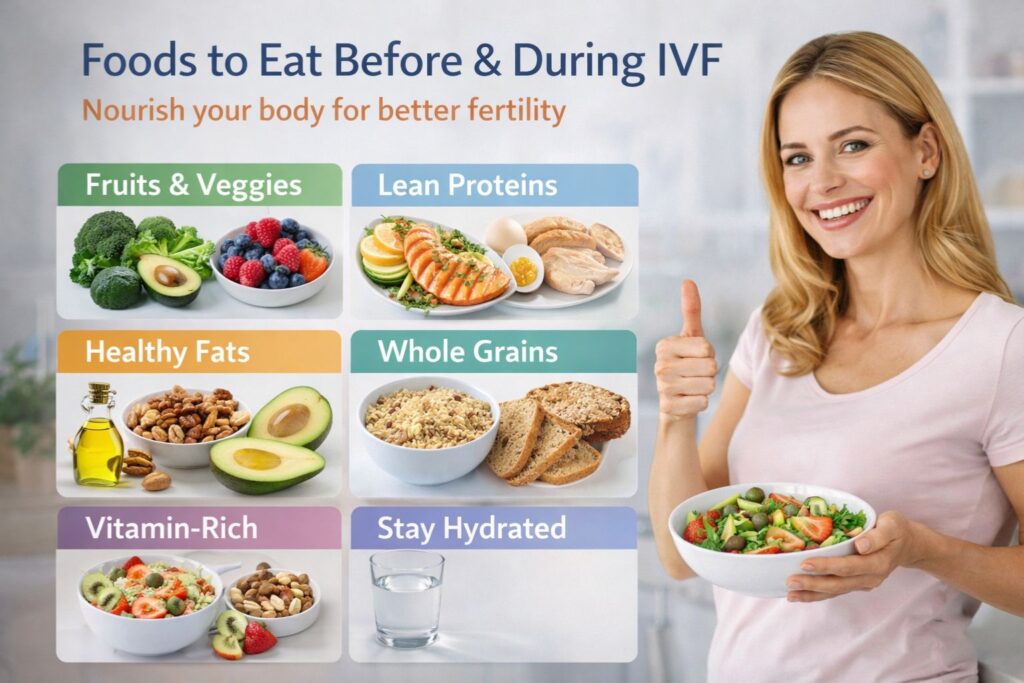
Leafy Greens and Dark Vegetables
Spinach, methi (fenugreek leaves), mustard greens, and sarson saag are among the most nutrient-dense and affordable foods available in Nepal. They are rich in folate, iron, antioxidants, and vitamin K. A 2025 narrative review published in Nursing Research and Practice covering literature from 2000 to 2024 found that folate deficiency is associated with impaired oocyte quality and reduced follicular function. Folate supplementation was linked to enhanced egg quality during IVF and improved pregnancy rates. Getting folate from food, in addition to the supplement your doctor prescribes, is a sensible and low-cost strategy.
Two generous servings of leafy greens daily is a practical target. Tarkari with spinach, methi leaves stirred into dal, or greens sauteed with garlic and mustard oil all achieve this without any special effort.
Dal, Lentils, and Legumes
Dal is the fertility-supporting food already sitting at the center of Nepali cooking. Lentils and legumes provide plant-based protein, folate, iron, fiber, and zinc simultaneously. Research on pro-fertility dietary patterns consistently identifies legumes as a central component. Guidance from the Fertility Institute of New Orleans notes that plant-based protein sources including lentils and chickpeas are linked to lower rates of ovulatory infertility compared to animal protein consumed in excess.
Rotating through masoor, moong, chana, rajma, and urad dal also provides dietary variety and a broader range of micronutrients than eating one type repeatedly.
Low-Mercury Fish
Omega-3 fatty acids found in fatty fish support egg quality, reduce inflammation in reproductive tissues, and promote healthy blood flow to the uterus and developing follicles. The 2023 RBMO systematic review by Hart concluded that omega-3 supplementation may improve some IVF clinical and embryological outcomes, and that this is among the better-supported nutritional interventions alongside the Mediterranean diet overall.
In Nepal, rohu, catla, tilapia, and hilsa are widely available freshwater fish that are low in mercury and appropriate for two to three servings per week. Tinned sardines, when available, are also an excellent and affordable source. Avoid high-mercury species including large predatory fish, as mercury accumulates in tissues and is harmful to reproductive cells and early embryo development.
Nuts and Seeds
Walnuts, almonds, pumpkin seeds, flaxseeds, and chia seeds offer healthy fats, vitamin E, zinc, selenium, and plant-based omega-3s in concentrated form. Pumpkin seeds are especially good for zinc, which supports sperm production, testosterone metabolism, and healthy egg development. Walnuts contain alpha-linolenic acid, the plant-based precursor to omega-3 fatty acids. A small daily handful of mixed nuts is a practical addition that requires no cooking.
Eggs (Well Cooked)
Eggs provide complete protein, choline, vitamin D, B12, and B2, all of which support cell division, embryo development, and hormonal function. They are affordable, versatile, and straightforward to include daily. During IVF, all eggs should be fully cooked to avoid any risk from Salmonella, which rules out raw egg preparations like certain chutneys, mayonnaise, or undercooked omelettes.
Colorful Fruits and Antioxidant-Rich Produce
Oxidative stress directly damages eggs and sperm. Antioxidants from fruits and vegetables neutralize free radicals that cause this damage. Rather than singling out one “superfood,” eating a wide variety of colorful plant foods provides the broadest antioxidant protection.
In Nepal, amla (Indian gooseberry) is one of the richest natural sources of vitamin C available anywhere in the world. Guava, pomegranate, papaya (ripe), and seasonal berries are all excellent choices. Tomatoes, especially cooked in a small amount of oil, are a good source of lycopene, which has shown benefit for male sperm parameters in some research.
Beetroot
Beetroot raises nitric oxide levels in the body, which supports blood flow to the uterus and is associated with improved endometrial blood supply before embryo transfer. It also provides folate and natural antioxidant compounds called betalains. Roasted beet as a side dish, beetroot sliced into salads, or a small glass of beet juice are all practical ways to include it in the diet.
Full-Fat Dairy in Moderation
Some fertility research suggests full-fat dairy may be more favorable than low-fat versions for ovulatory function, though the evidence is not definitive. Dahi, milk, and paneer in moderate amounts are appropriate choices during an IVF cycle. Two servings of dairy per day is a reasonable and well-tolerated amount for most women.
Foods and Habits to Avoid
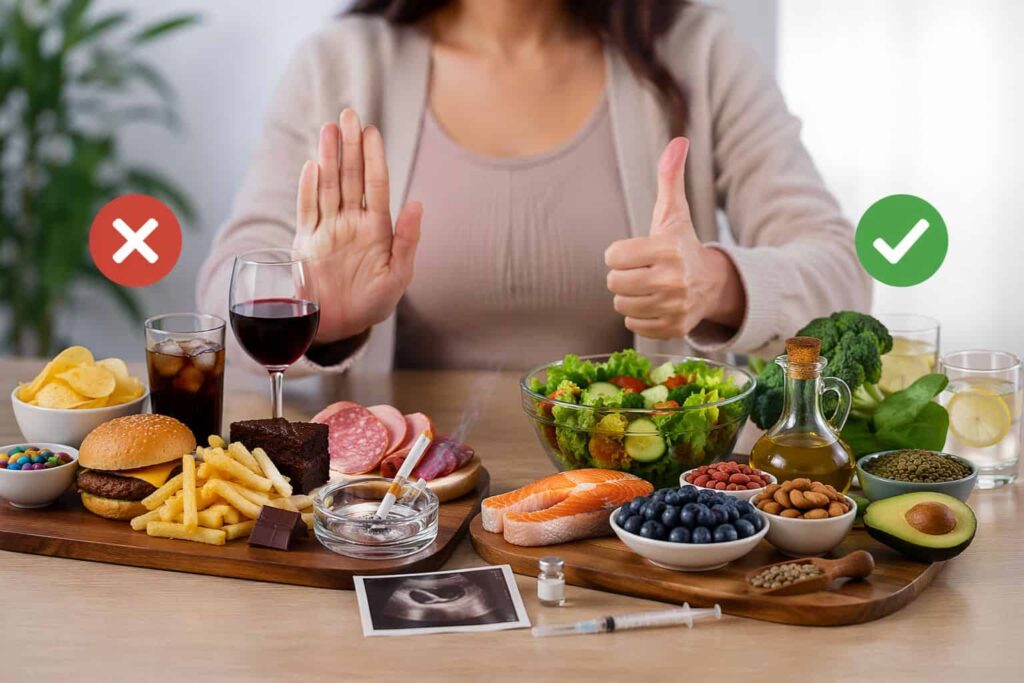
Trans Fats and Ultra-Processed Foods
Trans fats are consistently linked to poorer fertility outcomes across multiple lines of research. Guidance from IVI Fertility notes that trans fats may contribute to metabolic syndrome, insulin resistance, and ovulatory infertility. They are found in commercial biscuits, packaged namkeen snacks, instant noodles, margarine, commercially fried foods, and most packaged bakery products.
A practical approach during IVF is to treat any packaged food containing partially hydrogenated vegetable oil as something to avoid, and to prepare snacks at home using whole ingredients where possible.
Refined Carbohydrates and Sugary Foods
Large quantities of white rice eaten without adequate protein or vegetables, maida-based products, white bread, and sugary drinks cause rapid blood sugar spikes followed by insulin surges. Sustained high insulin disrupts hormonal balance and can impair ovarian function, particularly in women with PCOS. This does not mean rice must be eliminated. It means moderating portion size, pairing carbohydrates with protein and vegetables at every meal, and replacing sugary drinks with water, plain tea, or lassi.
Alcohol
The evidence against alcohol during IVF is consistent. Research reviewed by The Evewell links alcohol consumption to reduced ovarian reserve, disrupted ovulation, increased risk of miscarriage, and decreased chance of live birth. Both partners should aim for complete avoidance during the stimulation phase, around egg retrieval, through the two-week wait, and beyond if pregnancy is confirmed.
Caffeine Above 200 mg Per Day
Complete elimination of caffeine is not required, but moderation matters. Research cited by the Fertility Institute of New Orleans found that very high coffee consumption of five or more cups daily may reduce pregnancy rates significantly, and a meta-analysis linked caffeine intake above 300 mg per day to increased risk of spontaneous miscarriage. One small cup of black coffee or one to two cups of plain tea daily stays within acceptable limits. Strong Nepali milk tea made with one teabag per cup is also within range when consumed once or twice daily.
Raw or Undercooked Meat, Fish, and Eggs
Raw preparations carry bacterial risks including Salmonella and Listeria that are particularly unwelcome during a medically managed fertility cycle. Avoid raw egg preparations, undercooked meat, rare steak, and raw fish throughout the cycle. Cook all animal proteins thoroughly.
High-Mercury Fish
Large predatory fish including shark, swordfish, and king mackerel accumulate mercury that is toxic to reproductive cells and early embryonic development. In Nepal these species are not commonly consumed anyway, but it is worth being aware of this when choosing canned or imported fish products.
Soy in Very Large Quantities
Soy contains phytoestrogens that weakly mimic estrogen. Normal cooking amounts of soy-containing foods like tofu are unlikely to cause concern. Very high daily intake of soy, such as multiple large servings of soy milk, tofu, and soy-based protein supplements combined, is worth moderating during a hormonally managed IVF cycle. Standard cooking use is fine.
Supplements: What the Evidence Actually Supports
Supplement use during IVF is common, often self-directed, and frequently based on online forums rather than clinical evidence. The 2023 systematic review by Professor Roger Hart in RBMO reviewed nine commonly used supplements and found the evidence to be inconsistent and often of low quality for most of them. The clearest finding was that adopting a Mediterranean diet overall offered stronger and more consistent benefit than any individual supplement alone.
That said, some supplements have meaningful enough evidence to discuss with your doctor:
Folic acid (400 to 800 mcg daily) is the one supplement recommended universally for anyone preparing for pregnancy, by ASRM, WHO, and every national guideline. It is essential for DNA synthesis, cell division, and early neural tube development. It has also been linked in research to improved egg quality during IVF. Start this at least three months before your cycle if possible, or as early as you can.
CoQ10 (Coenzyme Q10, 200 to 600 mg daily before cycle commencement) warrants discussion with your doctor, particularly for women over 35 or those with a previous poor response to ovarian stimulation. Research cited in the 2023 RBMO review found that CoQ10 concentration in ovarian follicular fluid declines with age, and that CoQ10 with DHEA was significantly better than control therapy for poor ovarian responders in a network meta-analysis of randomized trials (OR 2.22, 95% CI 1.08 to 4.58 for clinical pregnancy). CoQ10 may improve ovarian response, oocyte quality, and the follicular environment, though its benefit for live birth rate specifically remains unclear and it may be less effective for women with age-related egg deterioration. A systematic review published in PMC also found consistent beneficial effects of CoQ10 on male sperm parameters including concentration and motility, making it relevant for both partners.
Omega-3 fatty acids (1 to 2 g of EPA and DHA daily) are worth considering if your fish intake is limited. The 2023 RBMO review concluded that omega-3 supplementation may improve some clinical and embryological IVF outcomes. Both partners can take fish oil supplements during the preparation period.
Vitamin D (dose based on your blood test result only) supports hormone regulation and endometrial receptivity. Vitamin D deficiency is common in Nepal, particularly among women who spend most of the day indoors. The critical point is that vitamin D should be tested before supplementing. High-dose vitamin D without a confirmed deficiency is not appropriate. A simple 25-OH vitamin D blood test gives your doctor the information needed to calibrate a dose.
Prenatal multivitamins provide a broad baseline of iron, iodine, B12, zinc, and folic acid without requiring individual supplement selection. Starting a quality prenatal vitamin two to three months before your cycle is a practical and safe foundation. Ask your doctor at Sishu Fertility Clinic which formulation they recommend.
Do not add supplements without telling your fertility doctor. Some supplements interact with IVF medications, and your treatment team needs a complete picture of everything you are taking.
A Nepal-Friendly IVF Meal Pattern
This is not a rigid meal plan. It is a practical framework using familiar Nepali ingredients that reflects the evidence-based dietary pattern.
| Meal | Examples |
|---|---|
| Breakfast | Oats with seasonal fruit and a boiled egg, or whole wheat roti with dahi and fresh amla |
| Mid-morning | A small handful of walnuts or almonds, or a piece of fresh fruit |
| Lunch | Brown rice with masoor or moong dal, a vegetable tarkari, leafy greens, and a side of dahi |
| Afternoon | Roasted chana, or a glass of turmeric milk with a small amount of honey |
| Dinner | Fish curry or chicken tarkari with dal, seasonal vegetables, and whole grain roti or moderate brown rice |
| Evening | Ginger or chamomile tea with a small piece of dark chocolate if desired |
Hydration is important throughout the day. Aim for 8 to 10 glasses of water. During ovarian stimulation, when the ovaries are growing multiple follicles and bloating is common, staying well-hydrated helps. Coconut water is gentle on the stomach and a good option during this phase.
Diet Advice for the Male Partner
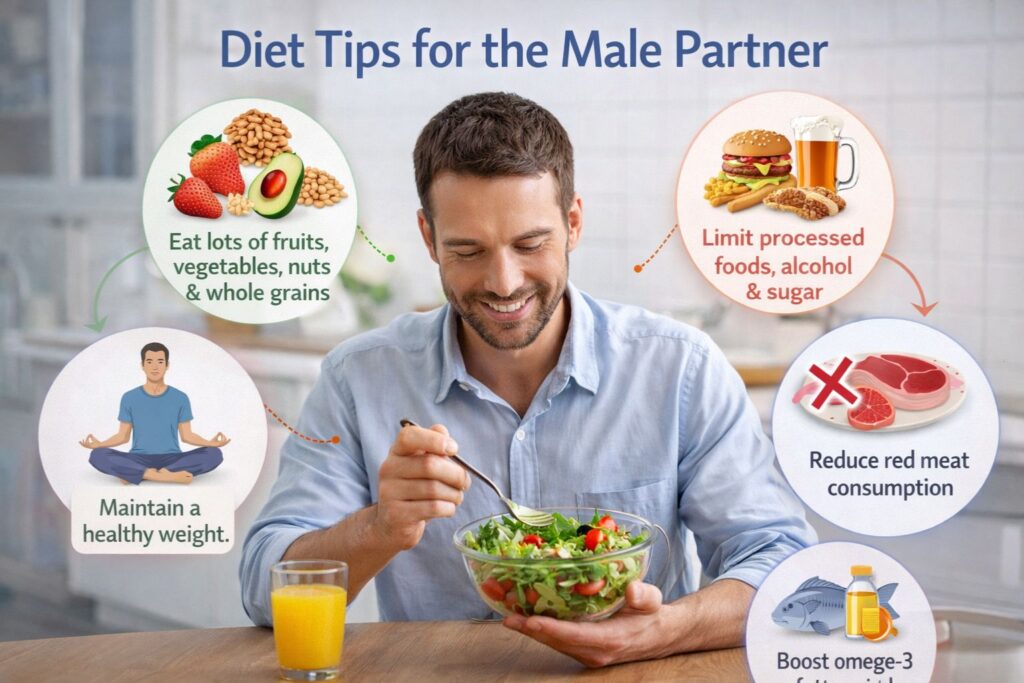
Nutrition during IVF is a shared responsibility. Research reviewed in the Nutrients 2024 literature review notes that the same Mediterranean dietary pattern has been associated with improved semen quality parameters in male partners of couples undergoing ART. A companion study by the same Athens research group found that men with higher Mediterranean diet adherence had better sperm concentration, motility, and morphology.
Sperm takes approximately 74 days to mature, so dietary changes made two to three months before the cycle have the most meaningful impact. The male partner should follow the same general pattern: plenty of vegetables and legumes, fish and eggs as primary proteins, limited alcohol and processed food, and complete avoidance of smoking. Zinc-rich foods like pumpkin seeds, sesame, and lentils are specifically supportive of sperm production. Lycopene from cooked tomatoes has shown benefit for sperm count and morphology in some studies.
For men with a diagnosed sperm problem, visit our Male Infertility page for more on the assessment and treatment pathway at Sishu.
What Diet Cannot Do
Honesty matters here. Diet is a supportive factor, not a treatment. It cannot reverse diminished ovarian reserve, correct a chromosomal abnormality in an embryo, or substitute for the medical protocol your doctor has designed for your specific situation. No dietary change has been shown in rigorous trials to overcome the primary clinical factors determining IVF success.
What it can do is reduce avoidable sources of biological stress on your eggs and sperm, support the hormonal environment during stimulation, contribute to uterine lining quality ahead of transfer, and build your overall physical resilience during what is a demanding medical process. Those are genuine and worthwhile reasons to pay attention to what you eat.
Consistency over time matters far more than short-term intensity. Begin adjusting your diet two to three months before your cycle starts if at all possible. Steady daily habits across that window will do more than any concentrated effort in the week before treatment begins.
Related Question About IVF Diet or Food Plan in Nepal
Do I need to follow a strict IVF diet plan to succeed?
No specific rigid plan is required. What the research supports is an overall pattern of eating built on whole foods, legumes, fish, healthy fats, and vegetables, with limited processed food, refined sugars, and alcohol. Traditional Nepali home cooking built around dal, tarkari, seasonal vegetables, and whole grains is already close to this pattern. The adjustments needed are usually about reducing processed and fried foods rather than adopting a foreign way of eating.
Is it safe to eat spicy Nepali food during IVF?
Yes. There is no evidence that spices used in Nepali cooking such as turmeric, cumin, coriander, or chili are harmful to IVF outcomes. Turmeric in particular contains curcumin, which has documented anti-inflammatory properties. The concern with spicy food during IVF is usually fried or heavily oiled preparations, not the spices themselves.
Can I eat ghee during my IVF cycle?
Ghee in moderate amounts is not a problem. It is a natural fat that has been part of Nepali and South Asian diets for centuries and contains fat-soluble vitamins. The concern is excess saturated fat combined with other animal fats. A small amount in cooking daily is perfectly acceptable and does not need to be eliminated.
Should I take protein shakes or meal replacement supplements?
Generally no. Most commercial protein supplements contain added sugars, artificial sweeteners, and additives that offer no benefit during an IVF cycle. Getting protein from whole food sources like eggs, dal, fish, dahi, and chicken is more nutritionally complete and better tolerated.
How much water should I drink during ovarian stimulation?
8 to 10 glasses per day is a reasonable target. During stimulation the ovaries grow multiple follicles and fluid needs increase. Some women find coconut water helpful for managing the bloating that commonly accompanies stimulation. Plain warm water is fine too. The temperature matters less than the volume.
Should the male partner also change his diet?
Yes. Sperm quality is meaningfully affected by diet, and improvements in semen parameters from dietary changes take approximately two to three months to show up because that is how long sperm takes to mature. The male partner benefits from the same principles: more vegetables, legumes, fish, and nuts; less alcohol, processed food, and smoking.
Does starting the IVF diet one week before treatment begin help?
Less than starting two to three months earlier. Egg and sperm development windows are long. One week of dietary improvement is better than no change, but the benefits of consistent nutrition accumulate across the full development window, which is why starting early matters.