When comparing IVF vs IUI in Nepal, no treatment is automatically best for everyone. IUI is usually simpler, less invasive, and less expensive, but it requires suitable sperm, ovulation, and at least one functioning fallopian tube. IVF involves more steps and costs more, but it may offer a better treatment pathway for complex fertility conditions.
The right choice depends on factors such as age, tube health, ovarian reserve, semen-analysis results, the cause and duration of infertility, previous treatments, and personal priorities.
Medical note: This guide provides general education and cannot determine which treatment is appropriate for an individual patient. A fertility specialist must review both partners’ medical histories and test results before recommending treatment.
What Is the Difference Between IUI and IVF?
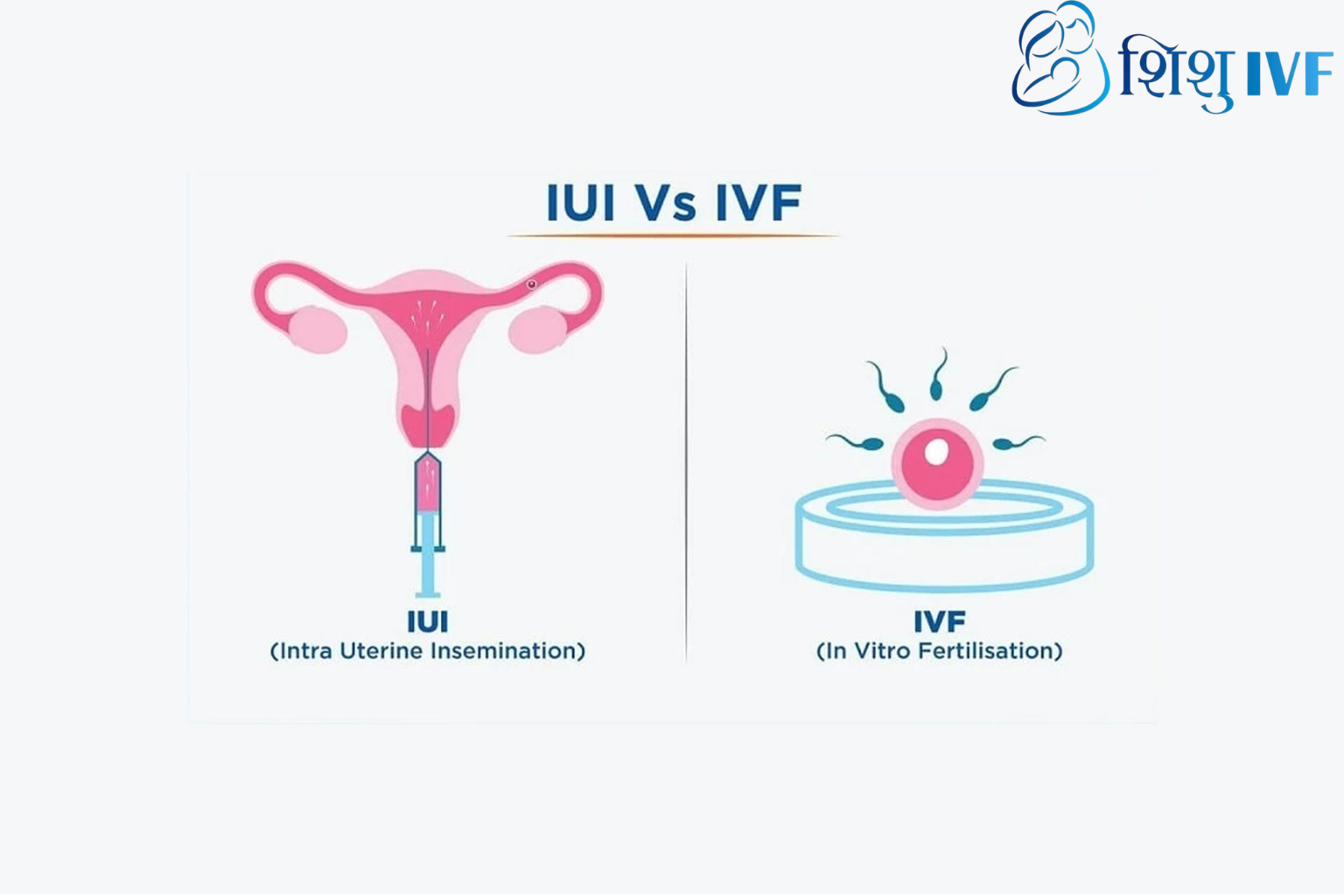
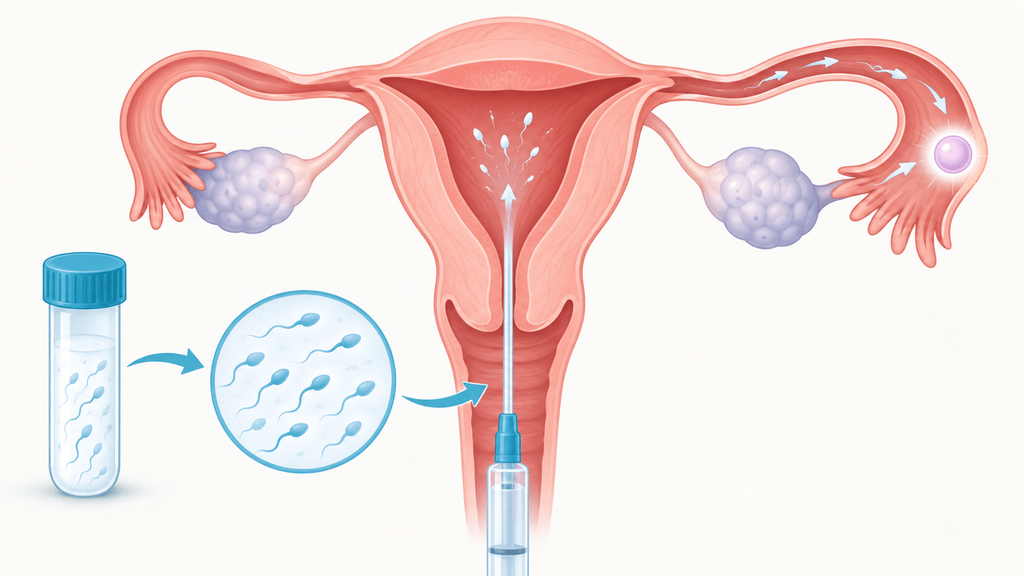
The main difference between IUI and IVF is where fertilisation happens. In IUI, prepared sperm is placed in the uterus and fertilisation must still occur inside a fallopian tube. In IVF, eggs are collected and fertilised in a laboratory before an embryo is transferred to the uterus.
| Factor | IUI | IVF |
| Full name | Intrauterine insemination | In vitro fertilisation |
| Where fertilisation occurs | Inside a fallopian tube | In an embryology laboratory |
| Fallopian-tube requirement | At least one functioning tube is generally needed | Can bypass blocked or damaged tubes |
| Procedure complexity | Lower | Higher |
| Medication | None, mild, or stimulated-cycle medication | Ovarian-stimulation medication is normally required |
| Egg retrieval | No | Yes |
| Laboratory fertilisation | No | Yes |
| Typical treatment time | Around two to three weeks per cycle | Often several weeks, depending on the protocol |
| Indicative Nepal cost | Lower per cycle | Higher per cycle |
| Common use | Selected mild or unexplained fertility factors | Blocked tubes, more significant sperm factors, unsuccessful IUI, and other complex cases |
How Does IUI Work?
During IUI treatment, semen is prepared in a laboratory to concentrate motile sperm. The prepared sample is then placed directly into the uterus close to the time of ovulation.
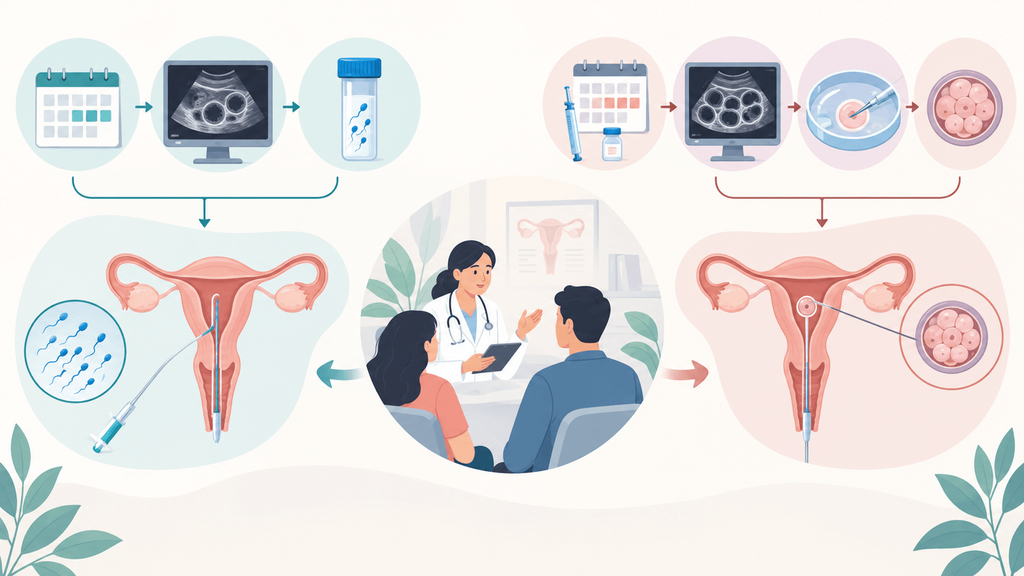
A typical cycle may involve:
- Monitoring the menstrual cycle and ovulation.
- Using ovulation medication when clinically appropriate.
- Preparing or “washing” the semen sample.
- Placing the prepared sperm inside the uterus through a thin catheter.
- Completing a pregnancy test around two weeks later.
IUI does not bypass the fallopian tubes. An egg must still be released, enter a functioning tube, and be fertilised there. This is why checking tube health and sperm quality is important before proceeding.
How Does IVF Work?
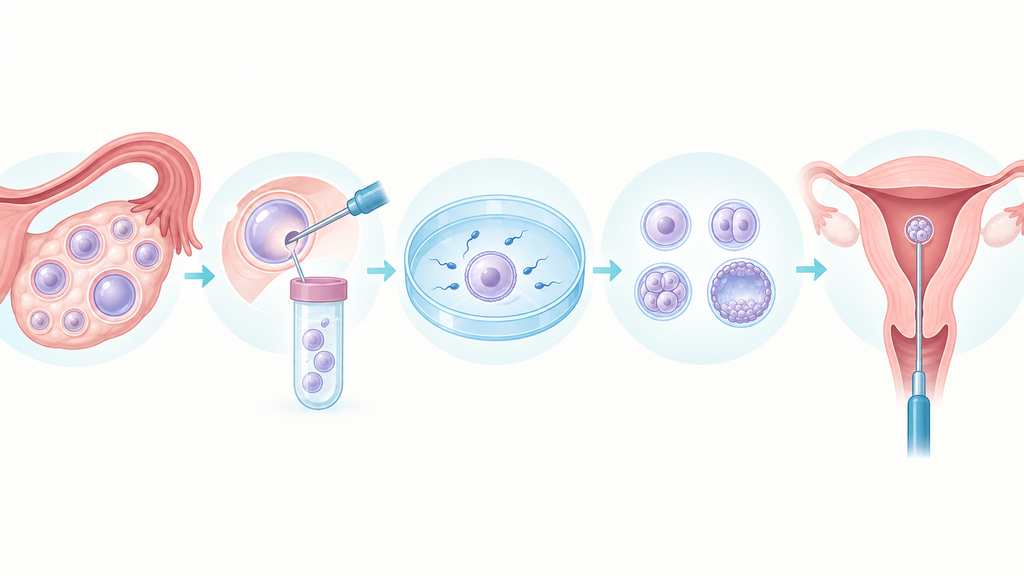
During IVF treatment in Nepal, medication stimulates the ovaries to develop multiple follicles. Eggs are collected and combined with sperm in an embryology laboratory. A selected embryo is subsequently transferred to the uterus.
A typical IVF pathway includes:
- Fertility assessment and treatment planning.
- Ovarian stimulation and ultrasound monitoring.
- Egg retrieval.
- Laboratory fertilisation, using conventional IVF or ICSI when indicated.
- Embryo culture and assessment.
- Embryo transfer or embryo freezing.
- A pregnancy test and follow-up appointment.
Because fertilisation happens in the laboratory, IVF can address barriers that IUI cannot overcome, including blocked fallopian tubes and some substantial sperm-related factors.
Is IUI or IVF Right for You?
IUI may be considered when:
- At least one fallopian tube is functioning.
- Ovulation occurs naturally or can be medically supported.
- Semen analysis shows an adequate number of usable motile sperm.
- There is selected mild male-factor infertility.
- The diagnosis is unexplained infertility.
- Donor sperm is being used, which under Nepalese regulations requires mandatory written informed consent from both legally married spouses.
- A less invasive treatment is medically reasonable.
IVF may be considered when:
- Both fallopian tubes are blocked or severely damaged.
- Semen analysis indicates a more significant sperm factor.
- Previous IUI cycles have not resulted in pregnancy.
- Time is an important consideration because of age or declining ovarian reserve.
- Moderate or severe endometriosis affects fertility.
- Fertilisation needs to be observed in a laboratory.
- ICSI or embryo testing for genetic diseases is clinically indicated (note: embryo testing for sex selection is strictly prohibited under Nepalese law).
This comparison is a guide, not a treatment prescription:
| Clinical finding | Question to discuss with a specialist |
| Open tubes, ovulation, and mild sperm concerns | Could IUI be a reasonable first treatment? |
| Both tubes blocked | Would IVF provide the more appropriate pathway? |
| Significantly impaired sperm count or motility | Is IVF with ICSI appropriate? |
| Reduced ovarian reserve or increasing age | Would repeated IUI attempts use valuable time? |
| Unexplained infertility | What is the expected benefit of several IUI cycles compared with IVF? |
| Previous unsuccessful IUI | Should testing or the treatment plan be changed before another attempt? |
IUI vs IVF Success Rates: How Should You Compare Them?
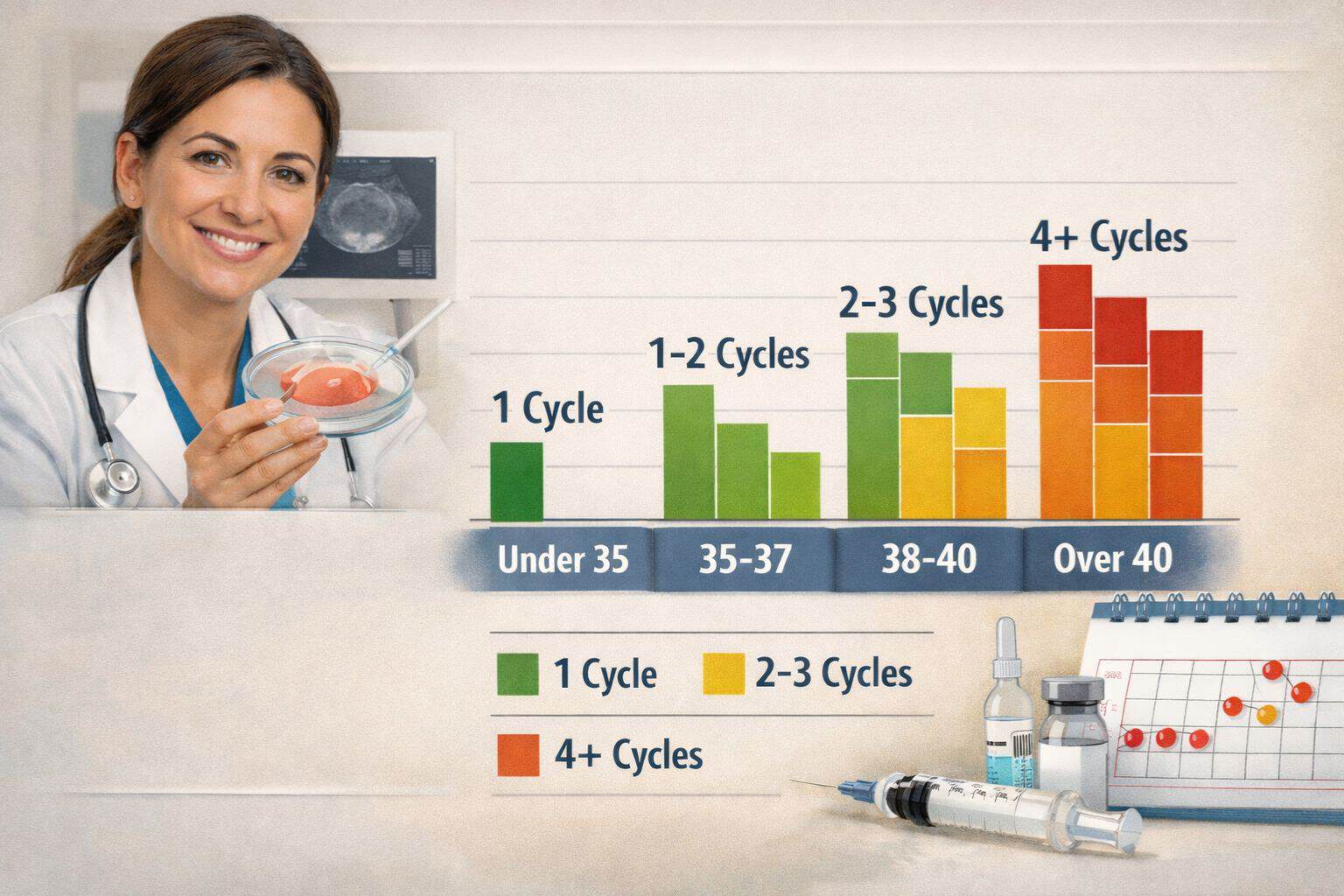
IVF generally has a higher chance of pregnancy per treatment attempt than IUI, but a single universal percentage would be misleading.
Results can change substantially according to:
- Patient age
- Cause and duration of infertility
- Ovarian reserve
- Sperm quality
- Previous pregnancy and treatment history
- Medication protocol
- Number and quality of embryos
- Use of the patient’s own or donor eggs
- Clinic reporting method
The word “success” can also mean several different things. A clinic may report a positive pregnancy test, clinical pregnancy, ongoing pregnancy, or live birth. It may calculate that outcome per started cycle, egg retrievalcumulative results and, or embryo transfer.
International monitoring bodies like ICMART (International Committee for Monitoring Assisted Reproductive Technologies) demonstrate why cumulative results and per-transfer results cannot be treated as the same measurement.
Before relying on a clinic’s percentage, ask:
- Does the figure mean pregnancy or live birth?
- Is it measured per started cycle, retrieval, or transfer?
- Is it divided by patient age?
- Does it include donor eggs?
- What reporting period and sample size were used?
- Does it include every patient who started treatment?
No responsible fertility clinic should guarantee pregnancy from either IUI or IVF.
IUI vs IVF Cost in Nepal
IUI costs less per cycle because it does not require egg retrieval, embryo culture, or embryo transfer. However, the advertised procedure price may not represent the complete amount a patient pays.
Sishu’s current IUI cost guide lists a typical core-procedure range of approximately NPR 10,000–30,000. A stimulated cycle involving medicine and additional monitoring may cost approximately NPR 35,000–55,000. These are indicative ranges rather than fixed quotations.
Sishu’s IVF service page currently provides an estimated total range of approximately NPR 280,000–450,000, with the final amount depending on medication, treatment response, and any additional laboratory services.
When comparing quotations, ask whether the price includes:
- Initial consultation
- Hormonal and diagnostic tests
- Semen analysis
- Tubal-patency assessment
- Monitoring ultrasounds
- Medication
- Sperm preparation
- Egg retrieval and sedation
- Laboratory fertilisation
- ICSI, if needed
- Embryo culture and transfer
- Embryo freezing and storage
- Pregnancy testing
- Follow-up consultations
Patients travelling for treatment should also consider transportation, accommodation, time away from work, and the number of clinic visits. A lower procedure fee may not be the least expensive option after every cost is included.
Prices change, and individual protocols differ. Request a dated, itemised written quotation before beginning treatment.
What Tests Help Doctors Choose Between IUI and IVF?
A proper fertility assessment should come before the treatment decision. Depending on the patient’s history, this may include:
- Semen analysis: Evaluates sperm concentration, movement, and shape.
- Tubal patency testing: Checks whether at least one fallopian tube is open for IUI.
- Pelvic ultrasound: Assesses the ovaries, uterus, and visible structural factors.
- Ovulation assessment: Determines whether and when ovulation occurs.
- Hormonal tests: May evaluate factors affecting ovulation or ovarian function.
- Ovarian-reserve assessment: Can help specialists plan treatment but does not independently predict whether natural conception is possible.
- Medical and fertility history: Includes previous pregnancy, surgery, infection, miscarriage, and fertility treatment.
Both partners should be assessed where applicable. Selecting treatment from one partner’s results alone can overlook an important contributing factor.
How Many IUI Cycles Should You Try Before IVF?
There is no universally correct number. Many pregnancies resulting from IUI occur during the first three or four cycles, according to Cleveland Clinic’s patient guidance. However, some patients may be advised to try fewer, more, or no IUI cycles.
A specialist may discuss moving to IVF sooner when:
- Both tubes are blocked.
- The sperm factor makes IUI unlikely to work.
- Ovarian reserve is declining.
- Age makes avoiding delay important.
- Several properly timed cycles have been unsuccessful.
- The patient has moderate or severe endometriosis.
- The physical, financial, or emotional cost of repeated attempts is becoming significant.
The decision should consider the cumulative cost and time of repeated IUI—not only the price of one cycle.
Risks and Treatment Experience
IUI is normally an outpatient procedure and usually causes only brief or mild discomfort. When ovarian-stimulation medication is used, monitoring is important because developing several follicles can increase the chance of a multiple pregnancy. Infection following IUI is uncommon.
IVF generally requires more medication, monitoring appointments, and procedures. Possible concerns include medication side effects, ovarian hyperstimulation, complications associated with egg retrieval, emotional strain, and multiple pregnancy if more than one embryo is transferred.
Multiple pregnancies should not be treated as a better treatment result. It can increase medical risks for the pregnant patient and babies. Patients should discuss embryo-transfer strategy, including when single-embryo transfer is appropriate.
Common Mistakes When Comparing IUI and IVF
Choosing only by price
IUI costs less per attempt, but repeated cycles can increase the total expense. IVF costs more upfront but may be more appropriate for diagnoses that IUI cannot overcome.
Believing IVF guarantees pregnancy
IVF can provide a higher chance per cycle for many patients, but it does not guarantee fertilisation, implantation, pregnancy, or live birth.
Assuming everyone must try IUI first
IUI is not a useful step when the biological requirements for it are absent, such as when both fallopian tubes are blocked.
Delaying fertility assessment
Evaluation is commonly recommended after 12 months of trying when the female partner is under 35 and after six months at age 35 or older. Earlier assessment may be appropriate when there is a known fertility condition.
Comparing percentages that measure different outcomes
A pregnancy-per-transfer rate cannot be compared directly with a live-birth-per-started-cycle rate. Ask every clinic to define its figures.
Frequently Asked Questions
Is IUI or IVF better in Nepal?
Neither is universally better. IUI may be suitable for selected patients with functioning tubes, ovulation, and adequate sperm. IVF can be more appropriate for blocked tubes, substantial sperm factors, unsuccessful IUI, or other complex fertility conditions.
Can I choose IVF without trying IUI first?
Yes. Patients do not always need to complete IUI before IVF. A specialist may recommend IVF directly when test results indicate that IUI has a low likelihood of working or when avoiding delay is clinically important.
Can IUI work with blocked fallopian tubes?
IUI generally requires at least one functioning fallopian tube because fertilisation still occurs inside the tube. If both tubes are blocked, a specialist may discuss IVF because it allows fertilisation to occur in a laboratory.
How long do IUI and IVF take?
An IUI cycle commonly takes approximately two to three weeks from monitoring to pregnancy testing. An IVF pathway usually takes several weeks, although the timeline changes according to testing, medication response, embryo development, and whether transfer occurs immediately or later.
Is IVF painful?
Experiences vary. Hormonal injections can cause temporary discomfort or bloating, and egg retrieval is normally performed with sedation or anaesthesia. Embryo transfer is generally brief. The clinic should explain pain control, recovery, and warning signs before treatment.
Does IVF guarantee pregnancy?
No. IVF cannot guarantee pregnancy or live birth. Outcomes depend on numerous patient and treatment factors. Ask for an individualized prognosis and age-specific live-birth data rather than relying on a broad promotional percentage.
Which Treatment Is Right for You?
IUI may provide a simpler and more affordable starting point when its biological requirements are present. IVF can offer a more suitable pathway when fertility barriers are complex or when repeated lower-intensity treatment is unlikely to help.
The most useful next step is not choosing a procedure from a comparison table. It is completing a fertility assessment that considers both partners and receiving a clear explanation of the expected benefits, limitations, costs, and alternatives.
Sishu Fertility Clinic provides IUI and IVF assessment and treatment in Bharatpur, Ghorahi, and Butwal. You can book a fertility consultation to discuss your test results and receive an individualized treatment recommendation.