
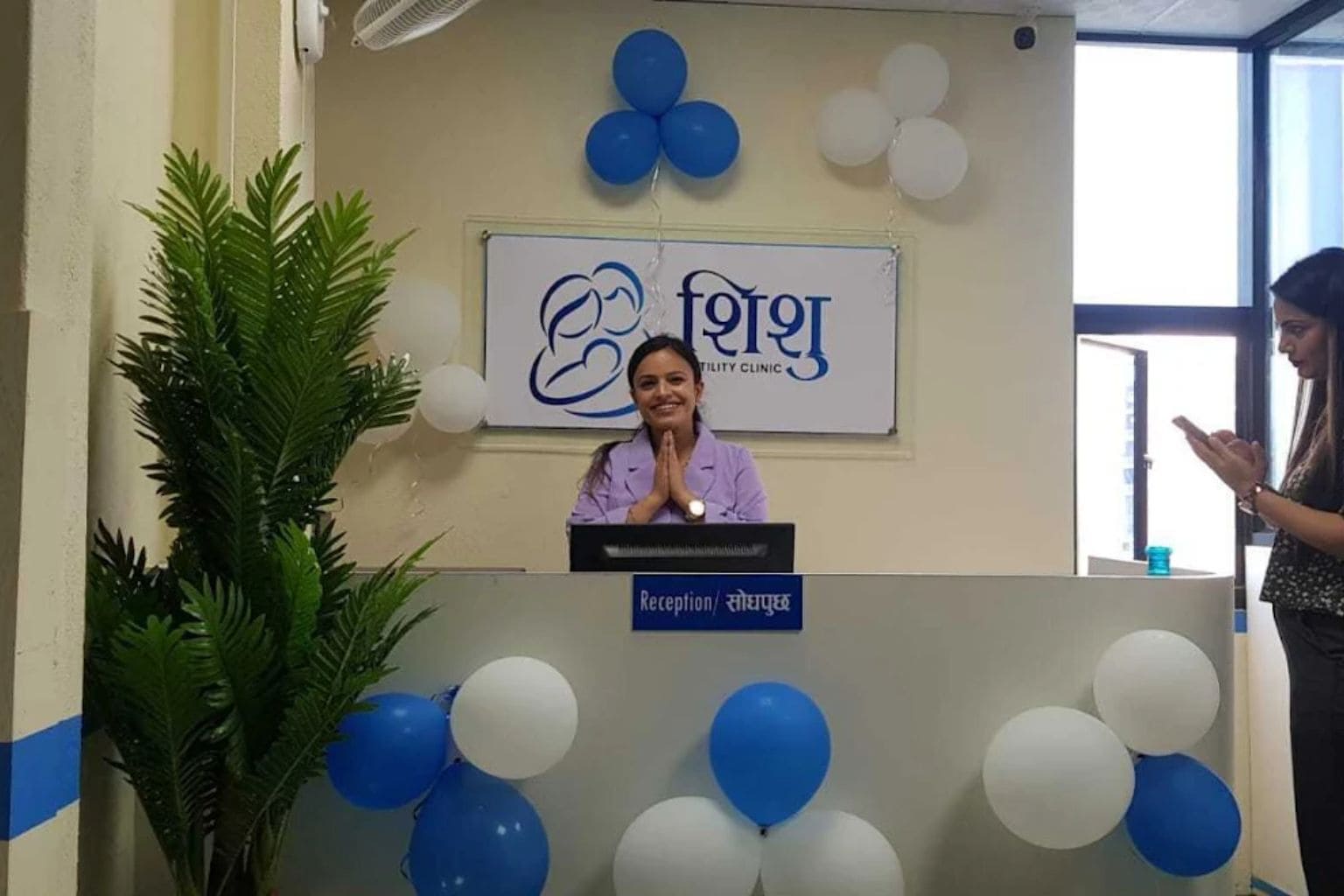
To choose the best IVF center in Nepal, you have to match your specific diagnosis, budget, location, and treatment needs, not simply the one with the most followers on social media or the biggest building. Look for a clinic with experienced fertility specialists, a proper in-house embryology lab, transparent success rates broken down by age group, and a team that treats you like a person, not a number. A standard IVF cycle in Nepal costs between NPR 2,50,000 and NPR 5,00,000, depending on the clinic and what is included. Success rates for women under 35 range from 40% to 50% per cycle at reputable clinics.
According to the World Health Organization, 1 in 6 people of reproductive age worldwide are affected by infertility. In Nepal, the numbers are similar. And as more couples seek help, more clinics are opening, which makes choosing the right one harder.
This guide tells you exactly what to look for, what questions to ask, and what red flags to avoid. So you can walk into your first consultation feeling confident, not confused.
Why This Decision Matters More Than You Think
Many couples focus on price when choosing a clinic. That is understandable. IVF is expensive.
But price alone is the wrong filter. Two clinics can charge the same amount and have very different success rates. Two clinics can have similar success rates but very different levels of support and transparency.
The right IVF center for you is the one that gives you the best chance of success, treats you honestly, and does not make you feel like a number.
Here is how to find it.
7 Things to Look for When Choosing an IVF Center in Nepal
Here are the 7 most important things to consider while choosing the best IVF Center in Nepal:
1. Success Rates – Ask the Right Question
Every clinic will tell you their success rate. But not all success rates mean the same thing.
There are two types of success rates:
| Term | What It Means | Why It Matters |
|---|---|---|
| Clinical pregnancy rate | Confirmed heartbeat at 6 to 7 weeks | Higher number but includes pregnancies that later miscarry |
| Live birth rate | Baby actually born healthy | The only number that truly matters |
Always ask for the live birth rate, broken down by age group. A clinic that quotes 70% success without specifying which measure is using the more flattering number.
According to ESHRE global IVF data, live birth rates per IVF cycle are approximately:
- Under 35: 45 to 55%
- 35 to 37: 32 to 40%
- 38 to 40: 20 to 26%
- Over 40: under 15% with own eggs
Any clinic claiming 80% or 90% live birth rates across all ages should be asked to show their data. Those numbers do not align with global evidence.
2. Doctor Qualifications and Experience

The doctor managing your cycle matters enormously. Not just their degree, their specific experience in reproductive medicine.
Here is what to check:
- Do they have an MD or specialisation in Obstetrics and Gynaecology?
- Have they done additional training or fellowship in reproductive medicine or IVF?
- How many IVF cycles have they personally managed?
- Will the same doctor manage your entire cycle, or will you be handed between doctors?
The last point is important. Some clinics rotate patients between different doctors at different stages. A single named specialist who knows your case from start to finish gives you more consistent care.
At Sishu Fertility Clinic, your case is managed by the same specialist from the first consultation through to the results, not passed between a rotating team.
3. Laboratory Quality
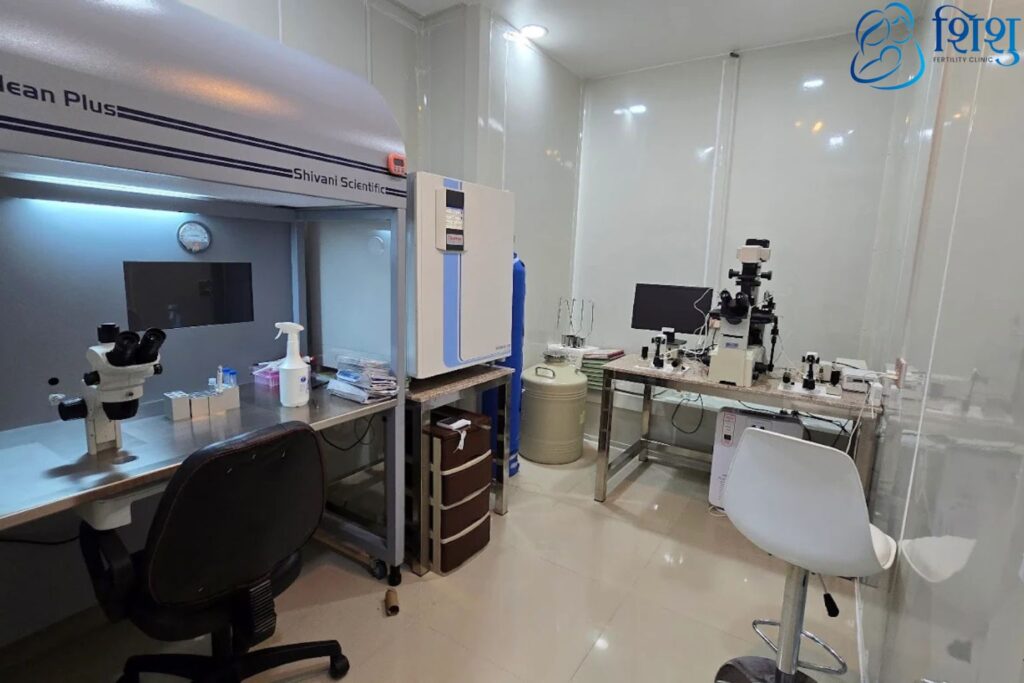
The IVF laboratory is where your embryos develop. The quality of the lab directly affects fertilisation rates, embryo development, and ultimately your chances of pregnancy.
Ask the clinic:
- Do you have a dedicated IVF laboratory on site?
- What incubator technology do you use?
- Do you have time lapse embryo monitoring?
- Who is your lead embryologist and what is their experience?
- What is your laboratory fertilisation rate?
A fertilisation rate below 60 to 70% is a warning sign. Good laboratories consistently achieve 70 to 80% or higher using standard ICSI protocols.
You do not need to understand every piece of equipment. But a clinic that cannot answer these questions confidently, or refuses to discuss lab standards, should make you cautious.
4. Transparent and Complete Pricing

IVF cost in Nepal ranges from NPR 3,00,000 to NPR 5,00,000 per cycle at most reputable clinics. But the headline price is rarely the full story.
The costs that are most often left out of the quoted price include:
- Fertility medications (NPR 30,000 to NPR 1,50,000 depending on your response)
- ICSI, if required for male factor infertility
- Embryo freezing and storage fees
- Pre-IVF investigations (blood tests, semen analysis, ultrasound)
- Genetic testing of embryos (PGT-A or PGD)
A trustworthy clinic gives you a written itemised cost estimate before you commit to anything. Not a ballpark figure. A written breakdown of every expected charge.
If a clinic quotes you a low price but is vague about what is included, ask directly: “Can you give me a written list of everything that is covered and everything that is not?” A good clinic will do this without hesitation.
You can see a full breakdown of IVF costs in Nepal including what is and is not included in a standard package.
5. Full Range of Treatments Under One Roof
Some couples need standard IVF. Others need ICSI for low sperm count. Some women need donor eggs. Some couples need genetic testing of embryos before transfer.
A clinic that only offers basic IVF may refer you elsewhere mid-treatment if complications arise. That wastes time and money.
Before you choose a clinic, confirm they offer:
- Standard IVF
- IVF with ICSI (for male factor infertility)
- Frozen embryo transfer
- Donor egg and donor sperm programmes
- Semen analysis and male fertility assessment
- AMH testing and hormonal investigations
- Embryo freezing and storage
If you or your partner have been told there may be a male fertility issue, also check whether the clinic offers male infertility assessment and treatment — including semen analysis, ICSI, and sperm retrieval procedures. Male factor infertility is present in nearly half of all infertility cases, and a clinic that cannot assess and treat both partners properly is limiting your options from day one.
6. Patient Support and Communication
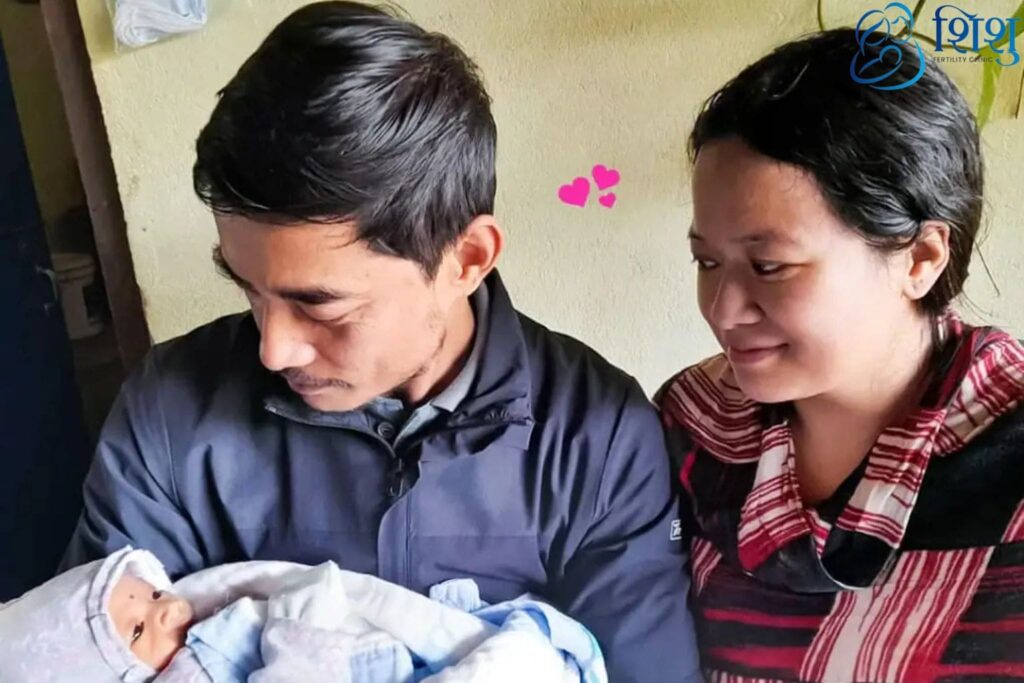
IVF is not just a medical process. It is an emotional one.
You will have good days and hard days. You will have questions at odd hours. You will feel uncertain, anxious, and sometimes overwhelmed.
The clinic you choose should support you through all of it.
Ask yourself after your first consultation:
- Did the doctor explain everything clearly, or did they rush through?
- Did you feel like you could ask any question without judgement?
- Was the staff warm and approachable, or transactional?
- Did they give you their contact details for follow up questions?
A clinic that treats you well before you start treatment will treat you well throughout. A clinic that is dismissive or rushed in the consultation will likely be the same when you have a difficult question mid-cycle.
7. Location and Accessibility
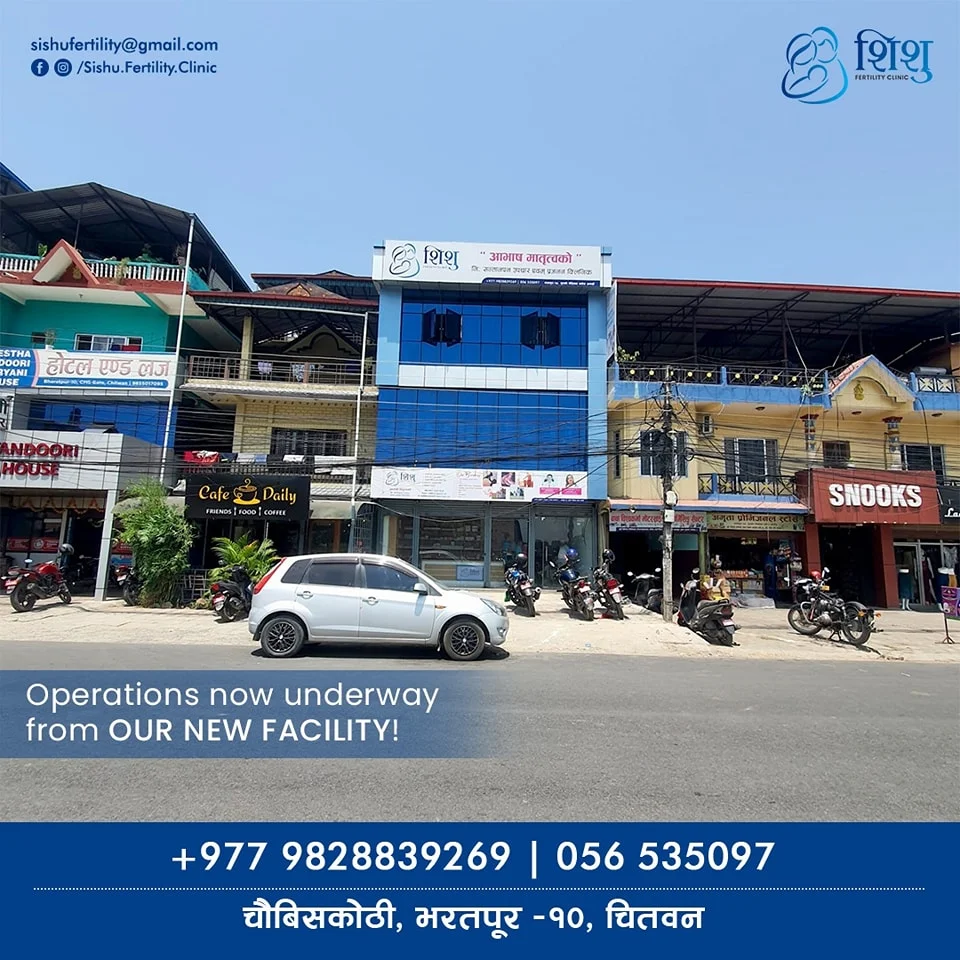
This is practical but important. An IVF cycle involves multiple visits over 4 to 6 weeks. You will need monitoring appointments every 2 to 3 days during stimulation, plus the egg retrieval, embryo transfer, and follow up visits.
If the clinic is far from your home or workplace, factor that into your decision. Travel costs and time add up — physically and emotionally.
For couples based in different cities, also ask:
- Can some consultations be done online or by phone?
- Can I send my investigation reports from a local lab rather than traveling for every test?
- How many total visits to the clinic will my cycle require?
Clinics with two locations, or those used to serving patients from across Nepal, are often better at planning your appointment schedule to minimise travel. Sishu Fertility Clinic serves patients from Kathmandu, Pokhara, Butwal, Bhairahawa and internationally from its two clinic locations in Bharatpur, Chitwan and Ghorahi, Dang.
Red Flags to Watch Out For
Not every clinic that looks professional is trustworthy. Here are the warning signs that should make you pause.
Guaranteed success rates. No ethical clinic guarantees pregnancy. IVF outcomes depend on individual biological factors that no doctor can fully control. A guarantee is a marketing claim, not a medical promise.
Pressure to start treatment immediately. A good clinic takes time to review your investigations before recommending a treatment plan. If you are being pushed to start before your results are fully reviewed, that is a red flag.
Vague or verbal-only pricing. If the clinic cannot give you a written cost breakdown, you have no protection against unexpected charges.
No named doctor. If you cannot find out who will actually be managing your cycle, ask directly. Anonymous “experienced team” language without named specialists is evasive.
Unrealistically high success rates. If a clinic claims success rates significantly above global benchmarks without clear data to support it, treat it with scepticism.
No discussion of what happens if the cycle fails. A good clinic talks about this before you start — not after. Knowing your options if the first cycle does not succeed is part of informed consent.
Questions to Ask at Your First Consultation
Take this list with you. A good clinic will answer every single one clearly.
- What is your live birth rate for my age group?
- Who will manage my cycle from start to finish?
- What does your quoted price include, and what will be charged separately?
- Can you give me a written cost estimate before I decide?
- What stimulation protocol will you use for me, and why?
- What happens if I produce fewer eggs than expected?
- What is your policy on embryo freezing?
- What are my options if this cycle does not work?
- How do I reach someone if I have questions between appointments?
You do not need to know the answers to these questions in advance. You just need to ask them and listen carefully to how the clinic responds.
IVF Center Checklist | Quick Reference
Use this before making your final decision.
| Factor | What to Check |
|---|---|
| Success rates | Live birth rate by age group, not just overall |
| Doctor | Named specialist, relevant qualifications, experience in IVF |
| Laboratory | On site lab, embryologist named, fertilisation rate available |
| Pricing | Written itemised estimate before commitment |
| Treatments | Full range available including ICSI, donor, embryo freezing |
| Both partners assessed | Male fertility evaluation included from day one |
| Support | Clear communication, approachable staff, follow up access |
| Location | Manageable travel for the number of visits required |
| Red flags | No guarantees, no pressure, no vague pricing |
The Conclusion About IVF Clinic Nepal
Choosing an IVF clinic in Nepal is not about finding the cheapest option or the one with the most impressive website. It is about finding a clinic that is honest with you, treats both partners properly, has strong clinical standards, and makes you feel genuinely supported.
Take your time. Visit more than one clinic if you need to. Ask all your questions. And trust your instincts about how a clinic makes you feel in that first consultation.
The right clinic will not make you feel rushed, confused, or uncertain. It will give you clear answers, a written plan, and a realistic picture of your chances.
That is what you deserve.
Sishu Fertility Clinic serves patients from across Nepal at its two clinic locations in Bharatpur, Chitwan, and Ghorahi, Dang. To book a consultation and receive a personalised fertility assessment, visit sishufertility.com or call 9828839269.